
Commercial Flooring Insights
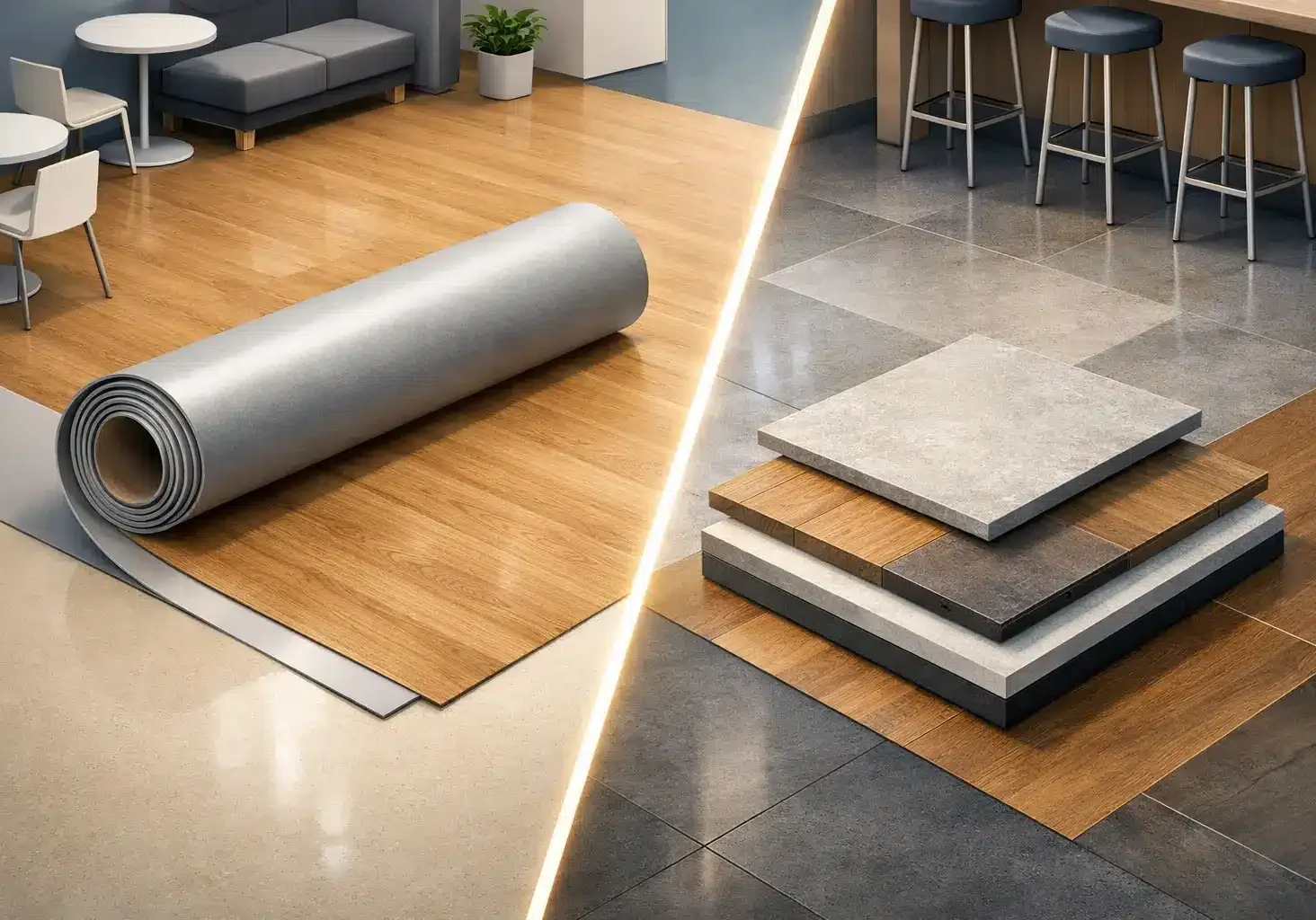
Sheet Vinyl Versus LVT for Commercial Floors
When a facility team is deciding between sheet vinyl versus LVT, the wrong choice usually does not show up on day one. It shows up six months later in the form of moisture-related issues, damaged seams, hard-to-clean edges, or a...

How to Choose Commercial Flooring Right
A floor can look fine on opening day and still become a problem six months later. In commercial settings, that usually happens when the selection was based on appearance or price before performance, substrate conditions, and installation demands were fully...
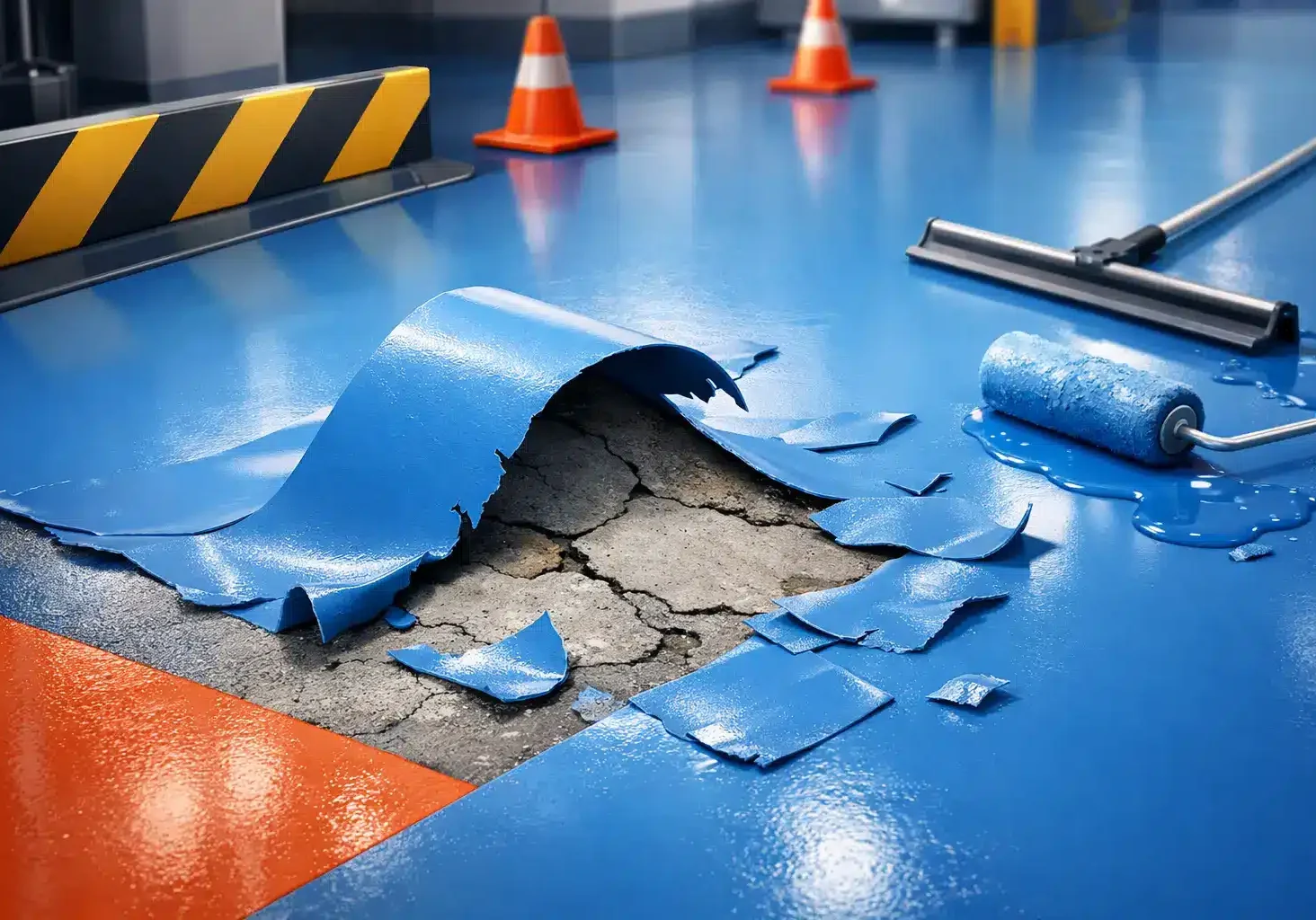
Why Does Commercial Epoxy Peel?
A peeling epoxy floor rarely starts failing at the surface. By the time coating lifts, flakes, or releases in sheets, the real problem is usually underneath it. If you're asking why does commercial epoxy peel, the short answer is bond...

How to Plan Flooring Phasing That Works
A flooring project usually goes off track before installation starts. The issue is rarely the material alone. It is more often phasing that was never fully mapped around occupancy, access, curing time, moisture conditions, and the daily realities of the...
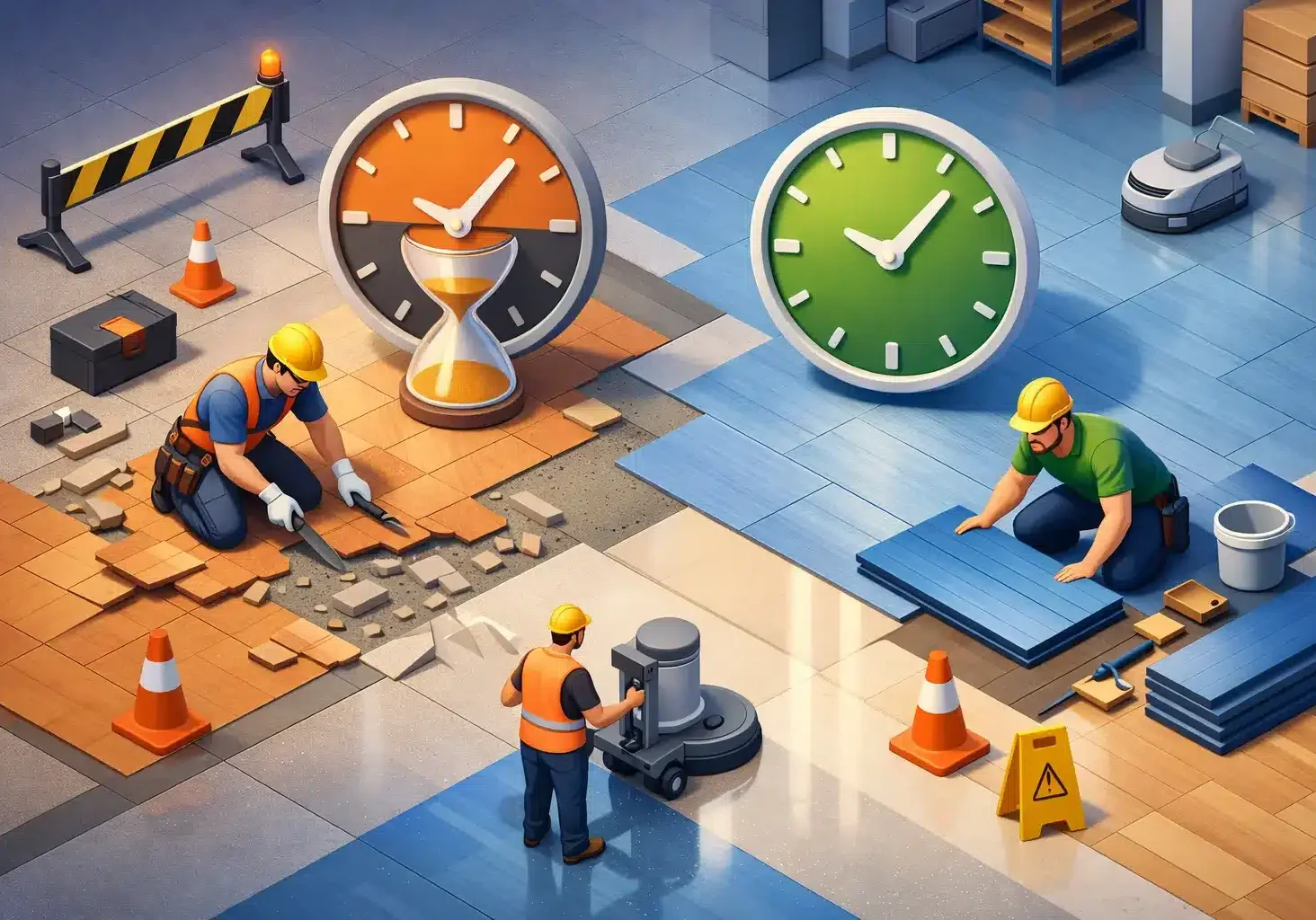
How to Reduce Flooring Downtime
A floor replacement that shuts down patient rooms, classrooms, corridors, or production areas for longer than expected becomes an operations problem fast. If you are asking how to reduce flooring downtime, the answer usually starts before material ever reaches the...

When Is Conductive Flooring Required?
A specification for conductive flooring usually shows up for one reason: the floor itself has to control electrical charge as part of how the space operates. So when is conductive flooring required? The short answer is when static electricity can...
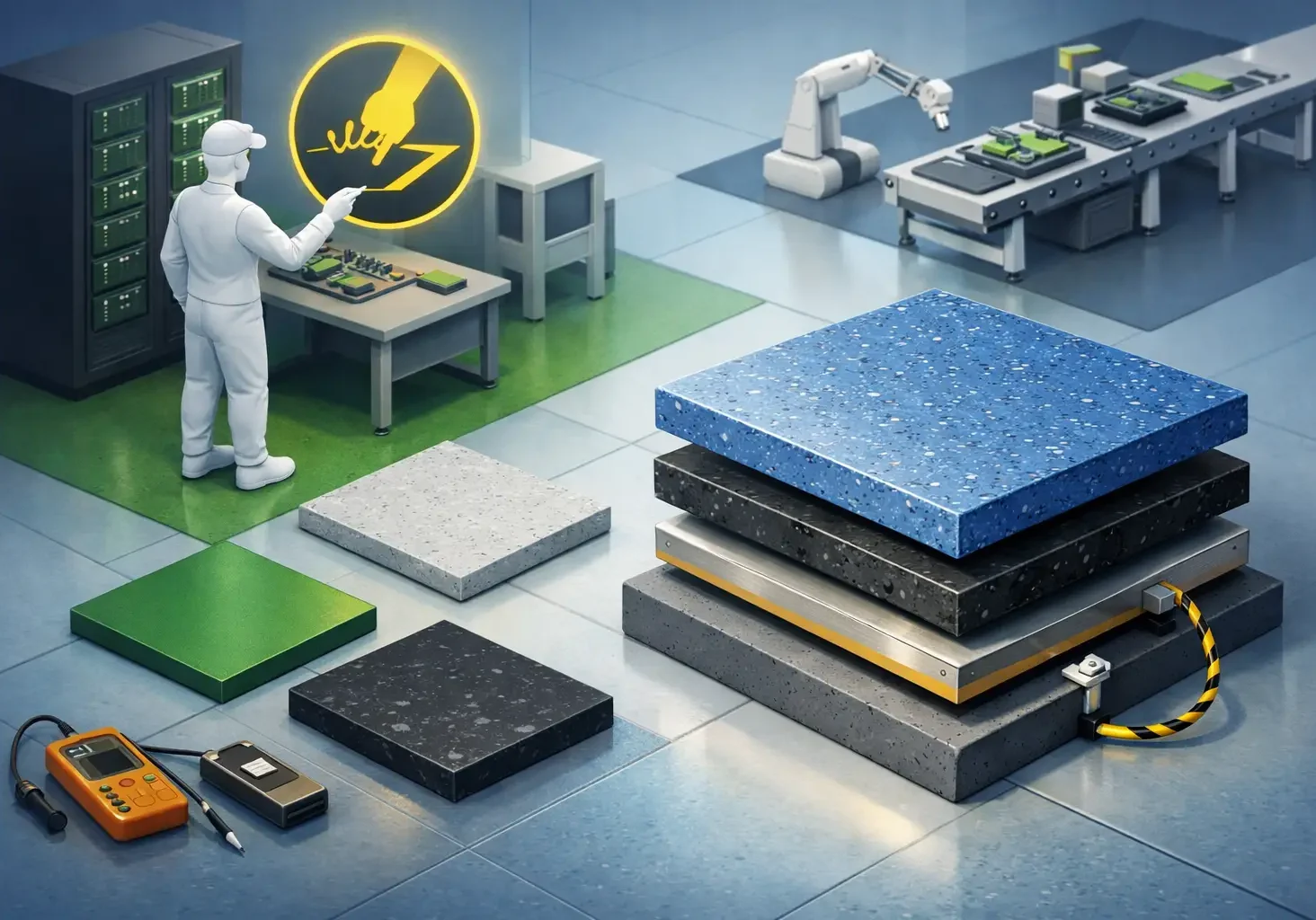
How to Select ESD Flooring
A floor that looks fine on day one can still be the wrong system for an electronics lab, clean manufacturing area, control room, or healthcare space. If you are figuring out how to select ESD flooring, the real question is...

When Is Floor Moisture Testing Needed?
A floor can look dry, feel hard, and still hold enough moisture to ruin an installation. That is why the question "when is floor moisture testing needed" comes up long before adhesive is spread or finish materials are delivered. In...
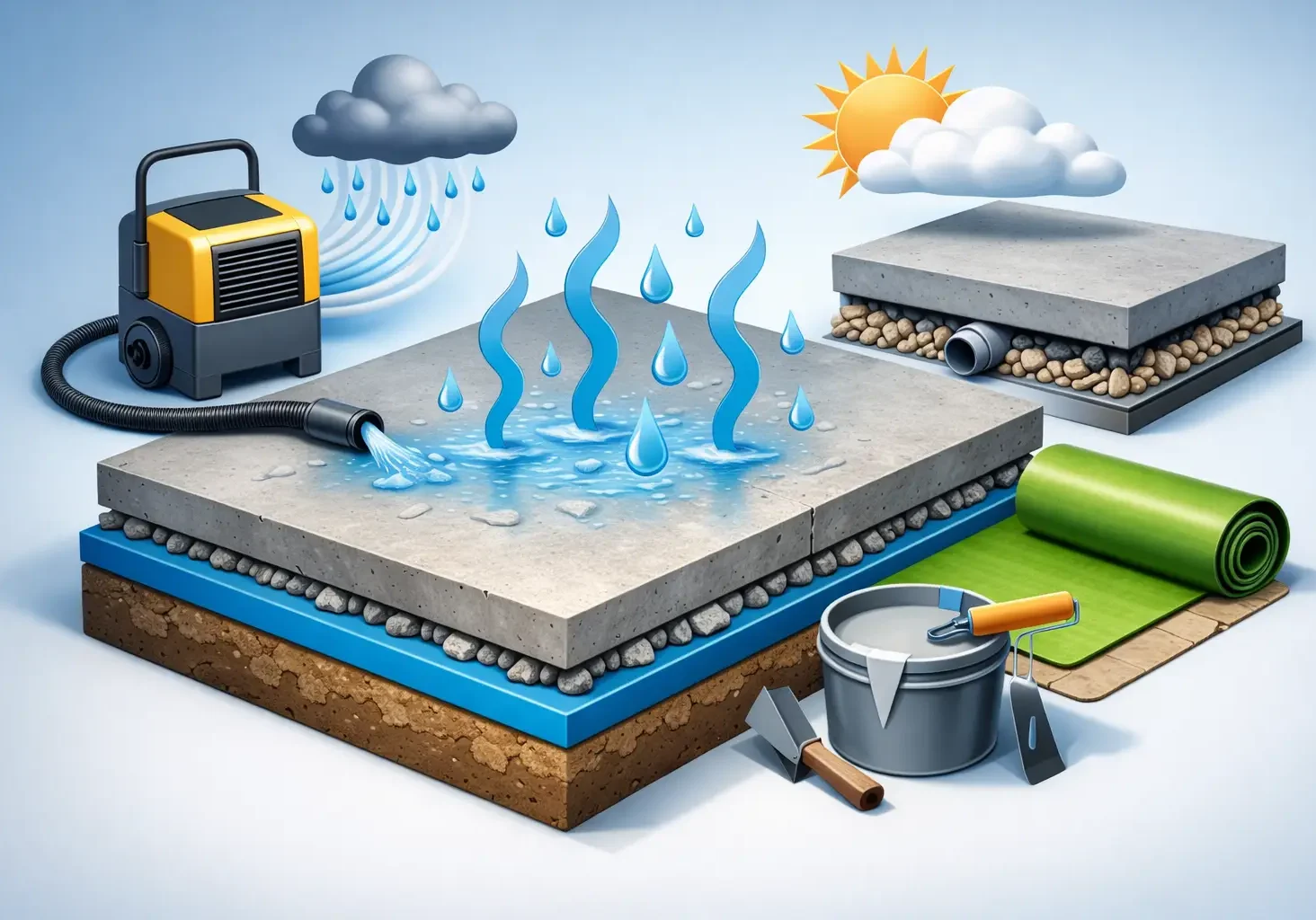
How to Reduce Moisture Vapor in Concrete
A floor can look ready and still be carrying enough moisture to cause adhesive failure, bubbling, staining, or coating breakdown. If you are evaluating how to reduce moisture vapor before a commercial flooring installation, the right answer starts below the...
Have a project coming up?
Whether you're planning new construction or addressing flooring issues in an existing facility, our team provides complete commercial flooring and surface preparation solutions across Western Connecticut.
